


Degenerative spine and disc herniations
Understanding Degenerative Spine Disease: A Simple Guide
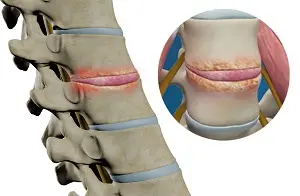
Degenerative spine disease is a condition where the bones, discs, and joints in your spine slowly wear down over time. It’s a natural part of aging, but for some people, it can cause pain, stiffness, or trouble moving. Think of your spine like a stack of building blocks with cushions (discs) in between. As we age, those cushions can shrink or crack, and the bones may rub together, leading to discomfort.
Common Symptoms:
- Back or neck pain that comes and goes
- Numbness or tingling in arms or legs
- Weakness in muscles
- Difficulty walking or standing for long periods
Management and Treatment: While degenerative spine disease can't be reversed, there are many ways to manage it and improve quality of life:
- Exercise & Physical Therapy: Gentle stretching, strengthening exercises, and posture training help keep the spine flexible and reduce pain.
- Medications: Pain relievers, anti-inflammatory drugs, or muscle relaxants can ease symptoms.
- Lifestyle Changes: Maintaining a healthy weight, quitting smoking, and staying active are key to slowing progression.
- Heat & Cold Therapy: Applying heat or ice packs can soothe sore muscles and reduce inflammation.
- Supportive Devices: Braces or ergonomic chairs may help relieve pressure on the spine.
- Surgery (in severe cases): If nerves are pinched or movement is severely limited, surgery might be considered to relieve pressure or stabilize the spine.
Living with degenerative spine disease doesn’t mean giving up on comfort or mobility. With the right care and habits, many people continue to lead active, fulfilling lives. Always consult a doctor to find the best plan for your specific needs.