


Congenital / Acquired Deformities
Spinal Deformities and Their Treatment
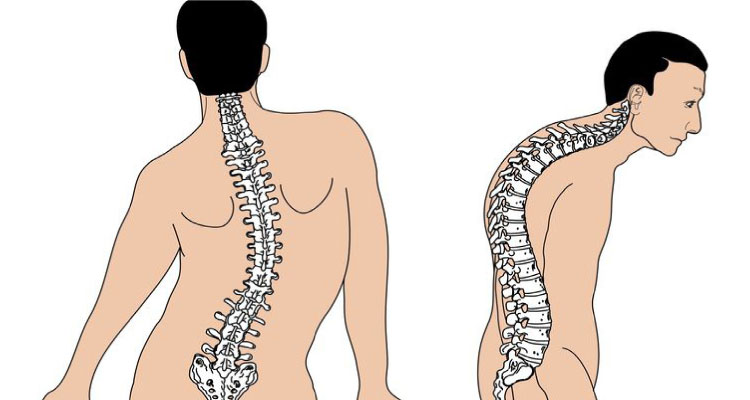
Spinal deformities refer to abnormal curvatures or misalignments of the spine that can affect posture, mobility, and overall health. The most common types include scoliosis (sideways curvature), kyphosis (excessive outward curve of the upper back), and lordosis (exaggerated inward curve of the lower back). These conditions may be congenital, develop during growth (especially in adolescence), or result from degenerative diseases, trauma, or neuromuscular disorders.
In children and adolescents, spinal deformities often emerge during growth spurts. Early detection is crucial, as untreated deformities can progress and lead to pain, breathing difficulties, and reduced quality of life. In adults, spinal deformities may be linked to aging, osteoporosis, or previous spinal injuries.
Treatment depends on the severity, type, and underlying cause of the deformity. Mild cases may require observation and physical therapy to strengthen muscles and improve posture. Bracing is commonly used in growing children to prevent progression of scoliosis or kyphosis. For more severe or progressive cases, surgical intervention such as spinal fusion or instrumentation may be necessary to correct alignment and stabilize the spine.
Advances in minimally invasive surgery, 3D imaging, and robotic-assisted techniques have improved outcomes and reduced recovery times. Post-treatment rehabilitation is essential to restore mobility and prevent recurrence.
With timely diagnosis and appropriate care, many individuals with spinal deformities can lead active, fulfilling lives. Awareness, routine screening in schools, and access to specialized care play a vital role in managing these conditions effectively.